Manufacturing IT Modernisation Without the Rip-and-Replace
Stuck between outdated systems that 'just work' and the pressure to digitally transform? We help manufacturing IT leaders break down data silos, integrate legacy infrastructure, and drive technology adoption — without disrupting production.
What Falls On Your Desk
The technical infrastructure and integration responsibilities where better architecture makes the biggest impact

Legacy Systems & Data Silos
Managing a complex landscape of disparate systems (ERP, CRM, PLM, MES) with challenging integrations and data silos that consume resources through manual workarounds

Data Security & Compliance
Ensuring data security, compliance with evolving regulations, and the scalability of existing infrastructure while managing cybersecurity concerns

Technology & Change Management
Driving user adoption and training of new business systems, overcoming resistance to change, and ensuring teams actually use the tools which have been implemented

Infrastructure & Digital Strategy
Developing and implementing IT/OT strategy, managing infrastructure, planning system upgrades, ensuring data backup, cyber security and disaster recovery are reviewed
Pains Holding You Back
The daily challenges that keep manufacturing IT leaders awake at night
AI in Manufacturing
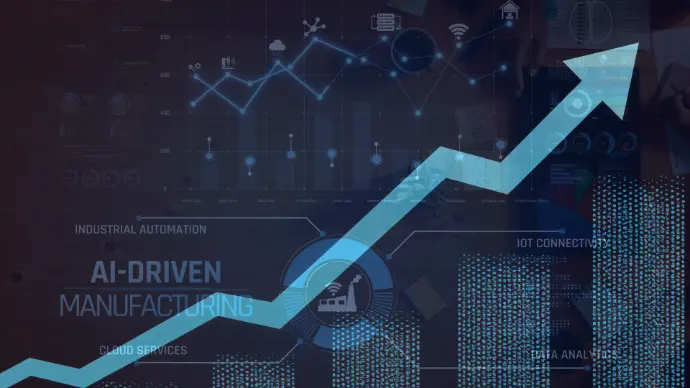
Discover how manufacturing executives are leveraging AI for competitive advantage. Our AI Opportunity Playbook cuts through the noise to identify practical applications that deliver measurable ROI.
Gains You Could Achieve
Practical, proven strategies that deliver results without disrupting operations
Modernisation
-
 90% reduction in manual data entry
 -
Single source of truth across systems
-
API-first architecture for flexibility
-
85%+ user adoption rates
-
Reduced training time by 60%
-
Sustainable digital transformation
Manufacturing
-
Real-time production monitoring
-
Predictive maintenance capabilities
-
Connected factory foundation
Legacy System Modernisation
Our API-first approach connects your existing systems without risky rip-and-replace. We create a unified data layer that provides modern capabilities while preserving the systems that work. Reduce manual data entry by 90% within months.
Key Roadmap Steps
Questions C-Suite leaders ask as they move from recognising the problem to choosing a partner
Problem
-
What are the biggest challenges in integrating disparate industrial software systems?
-
How can we secure our product data across the entire lifecycle?
-
What are the hidden costs of managing legacy IT infrastructure?
& Partners
-
How does PLM act as a central backbone for product data and system integration?
-
What are the security features and compliance certifications of your PLM solution?
-
What's your implementation methodology and typical timeline?
Implementation
-
What is the total cost of ownership (TCO) for your solution?
-
How does your PLM integrate with our existing ERP/MES systems?
-
What level of technical support and post-implementation services do you provide?
Our Approach to Help You Get There
A proven methodology that delivers ROI within 6 months
FAQs
Common questions about legacy integration and digital transformation
How can I integrate legacy systems without rip-and-replace risk?

API-first architectures, middleware solutions, and strategic data layer approaches can connect existing systems while providing modern capabilities. Our approach preserves working systems while eliminating manual data entry by 90%.
Why do new technology implementations fail to get adoption?
Low adoption typically stems from lack of change management, insufficient training, and systems that don't fit actual workflows. Our Change Management Framework achieves 85%+ adoption rates by addressing these root causes before go-live.
How long until IT investments show ROI?
With proper implementation, IT modernisation projects typically achieve ROI-positive status within 6 months. The key is focusing on high-impact quick wins — like eliminating manual data entry — while building towards strategic transformation.
How do I get real-time visibility without replacing existing systems?
A data integration layer can pull information from existing systems in real-time without replacing them. Our approach creates unified dashboards while preserving the systems that work, eliminating the 24-48 hour decision lag on critical issues.